
Uncategorized
Hashish: A Timeless Cannabis Concentrate
Apr
Hashish, often simply called “hash,” is one of the oldest and most revered cannabis concentrates in the world. Known for its rich history, potent effects, and distinctive preparation methods, hashish continues to captivate enthusiasts across generations. In this blog post, we explore what hashish is, how it’s made, its effects, and its cultural significance.
What Is Hashish?
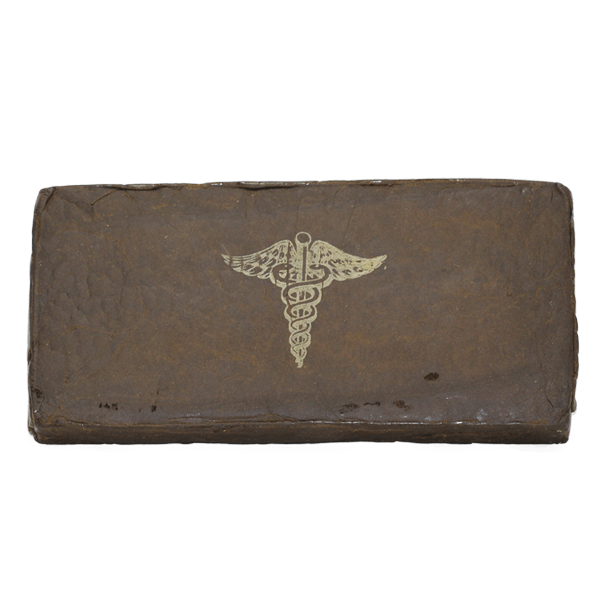
Hashish is a concentrated form of cannabis made by collecting and compressing the resin glands (trichomes) from the cannabis plant. These trichomes contain high levels of cannabinoids like THC (tetrahydrocannabinol) and CBD (cannabidiol), which are responsible for the plant’s effects.
Unlike traditional cannabis flower, hashish is more potent due to its concentrated nature. It typically appears as a solid block or soft, crumbly substance, ranging in color from light brown to dark black.
How Is Hashish Made?
The process of making hashish varies depending on region and tradition, but the goal remains the same: separating and collecting the resin.
Common methods include:
- Hand-Rubbing: Fresh cannabis plants are rubbed between the hands, and the sticky resin is collected and rolled into balls (often called “charas”).
- Dry Sifting: Dried cannabis is sifted through fine screens to separate trichomes, which are then pressed into hash.
- Ice Water Extraction (Bubble Hash): Ice and water are used to freeze and separate trichomes, producing a cleaner and often more potent product.
Each method influences the texture, aroma, and potency of the final product.
Effects of Hashish
Hashish delivers effects similar to cannabis but often stronger due to its higher THC content. The experience can vary depending on the strain and method of preparation.
Common effects include:
- Deep relaxation
- Euphoria and mood elevation
- Enhanced sensory perception
- Increased appetite
- Sedation (especially with indica-dominant hash)
Because of its potency, beginners are advised to start with small amounts.
Cultural and Historical Significance
Hashish has a long and fascinating history, dating back over a thousand years. It has been widely used in regions such as the Middle East, North Africa, and South Asia.
In countries like Morocco, Afghanistan, and India, hashish production is deeply rooted in tradition. It has been used for spiritual rituals, medicinal purposes, and social gatherings. Historically, it also played a role in trade routes and cultural exchange.
How Is Hashish Consumed?
There are several ways to enjoy hashish:
- Smoking: Mixed with cannabis flower or tobacco and smoked in a joint, pipe, or bong.
- Vaporizing: Heated in a vaporizer for a smoother, less harsh experience.
- Edibles: Infused into food or drinks after proper decarboxylation.
Each method offers a different onset time and intensity of effects.
Is Hashish Legal?
The legality of hashish varies widely across the world. In some countries, it remains illegal, while others have decriminalized or legalized cannabis products for medical or recreational use. Always check local laws before purchasing or consuming hashish.
Final Thoughts
Hashish is more than just a cannabis product—it’s a cultural artifact with centuries of tradition behind it. Whether you’re a curious beginner or a seasoned enthusiast, understanding hashish adds depth to your appreciation of cannabis as a whole.
As the global cannabis industry evolves, hashish continues to hold its place as a classic, offering a unique blend of history, craftsmanship, and powerful effects.
