
Uncategorized
An Educational Guide to THC Vapes
Jun
The cannabis landscape has experienced a massive technological evolution. Gone are the days when consuming cannabis was limited to rolling paper or glass pipes. Today, THC vape pens are among the most popular delivery methods globally, praised for their portability, discretion, and near-instantaneous onset.
However, as the market expands, it becomes increasingly saturated with complex terminology—distillates, live resins, voltage settings, and cutting agents. For any consumer, understanding the science behind what you are inhaling is the key to a safe, controlled, and enjoyable experience.
This educational guide breaks down how THC vapes work, the different types of cannabis oil available, hardware mechanics, and essential health and safety considerations.
1. How a THC Vape Works: The Basic Mechanics
At its core, a vaporizer is a relatively simple electronic device designed to heat cannabis oil just enough to turn the active cannabinoids and terpenes into an inhalable aerosol, without actually burning the material (combustion).
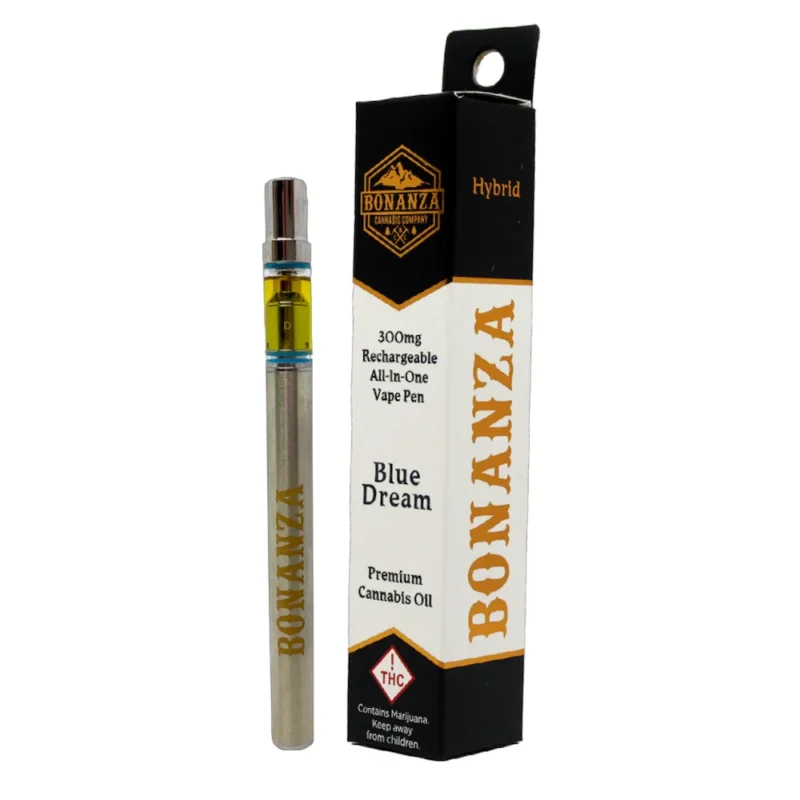
A standard vape setup consists of two primary components:
- The Battery: The power source, usually a rechargeable lithium-ion battery. Many standard vapes use a universal 510-thread connection, allowing you to screw on various cartridges.
- The Cartridge (Atomizer): The chamber that holds the THC oil. Inside the cartridge is a heating element—traditionally a metal coil, though modern premium cartridges use ceramic cores to distribute heat evenly and prevent a burnt metallic taste.
When you activate the device (either by pressing a button or drawing on the mouthpiece), the battery sends an electrical current to the heating element. The element warms the oil, transforming it into a vapor that enters your lungs and quickly absorbs into the bloodstream.
2. Understanding the Oil: Distillate vs. Full-Spectrum vs. Live Resin
Not all vape cartridges are filled with the same liquid. The extraction process used to pull the cannabinoids from the plant determines the flavor, potency, and overall experience of the vape.
Cannabis Distillate
- What it is: Distillate is the most highly refined form of cannabis oil. The extraction process strips away everything except for a single target cannabinoid—usually THC.
- Potency: Extremely high, typically ranging between 85% to 95% pure THC.
- The Experience: Because it is stripped of the plant’s natural terpenes (aromatic compounds), distillate is virtually tasteless and odorless. Manufacturers often add botanical terpenes (extracted from plants like lavender or citrus) back into the oil for flavor. The high is often described as potent but “one-dimensional” because it lacks the diverse compound profile of the raw plant.
Full-Spectrum & CO2 Oils
- What it is: Full-spectrum extraction preserves the natural balance of cannabinoids (THC, CBD, CBG, CBN) and native terpenes found in the original strain.
- The Experience: These oils trigger what scientists call the “Entourage Effect”—the biological synergy where cannabinoids and terpenes work together to enhance and modulate the overall effects. A full-spectrum cart at 70% THC can often feel more deeply relaxing or balanced than a 95% pure distillate cart.
Live Resin & Live Rosin
- What it is: The gold standard for flavor. Live resin is made from cannabis plants that are flash-frozen immediately at the moment of harvest, bypassing the traditional drying and curing phase. Live rosin takes this a step further by using a solventless extraction method (only heat and physical pressure) rather than chemical solvents like butane.
- The Experience: Flash-freezing preserves the delicate, volatile terpenes that are normally lost during the drying process. Live resin and rosin cartridges taste exactly like the living, fresh cannabis plant and provide the truest “to-strain” representation.
3. Hardware Matters: Voltage and Temperature Control
If your vape battery features adjustable voltage settings, understanding how temperature affects your oil is vital to protecting both the flavor and your lungs.
- Low Voltage (2.0V – 2.5V): Best for delicate, terpene-rich oils like live resin and rosin. Low temperatures preserve the complex flavors and prevent the oil from burning, though it produces smaller vapor clouds.
- Medium Voltage (2.6V – 3.2V): The sweet spot for most standard distillate cartridges. It offers a balanced compromise between robust flavor and dense vapor production.
- High Voltage (3.3V+): Generally discouraged for premium oils. High heat can degrade cannabinoids, destroy delicate terpenes, and cause the ceramic or metal elements to overheat, creating a harsh, irritating vapor.
4. Health, Safety, and the Importance of Clean Sourcing
While vaporizing clean cannabis oil avoids many of the toxic byproducts of combustion (tar and carbon monoxide produced by smoking raw plant matter), vapes are not entirely risk-free. Consumer safety hinges directly on product regulation and testing.
The Threat of the Illicit Market
In 2019 and 2020, a severe lung illness outbreak known as EVALI (E-cigarette or Vaping Product Use-Associated Lung Injury) hospitalized thousands globally. Public health investigations revealed that the overwhelming majority of these cases were linked to illicit, unregulated THC cartridges sourced from informal or black-market networks.
Unscrupulous manufacturers were using Vitamin E Acetate as a cheap cutting agent to thicken the oil. When inhaled, Vitamin E Acetate sticks to lung tissue, causing severe, acute inflammation. Unregulated vapes can also contain traces of heavy metals (leached from cheap hardware), residual chemical solvents, or toxic pesticides.
Choosing Safe Products
To protect your respiratory health, only access vaping products through transparent, regulated networks—such as legal medical dispensaries or highly vetted, safety-first organizations like the Glasgow Cannabis Social Club (GGCSC). Safe, laboratory-tested products will feature:
- Clear labeling of active THC/CBD milligrams.
- A complete absence of illicit thinning agents (like Vitamin E Acetate, PG, or VG).
- Verifiable third-party lab testing results ensuring the product is clear of heavy metals and residual chemicals.
5. Responsible Consumption: Start Low and Go Slow
Because vaporized THC enters your bloodstream immediately through the lungs, the onset of effects occurs within seconds to minutes, peaking around the 15-to-30-minute mark. Because modern vape pens are highly concentrated, a single draw can deliver a much larger dose of THC than a puff from traditional flower.
If you are new to vaporizing or trying a high-potency distillate for the first time, take one small draw and wait at least 15 minutes to assess how your body responds. Consuming responsibly protects you from over-intoxication, anxiety, or an elevated tolerance. Always store your vaping devices securely in a cool, dry place, completely out of reach of children and pets.
